
Rusolovo targets late-2028 start for Amur tin smelter
Rusolovo aims to start its Amur tin smelter in late 2028. The project combines new metal-making capacity with ore-processing upgrades and flotation development.
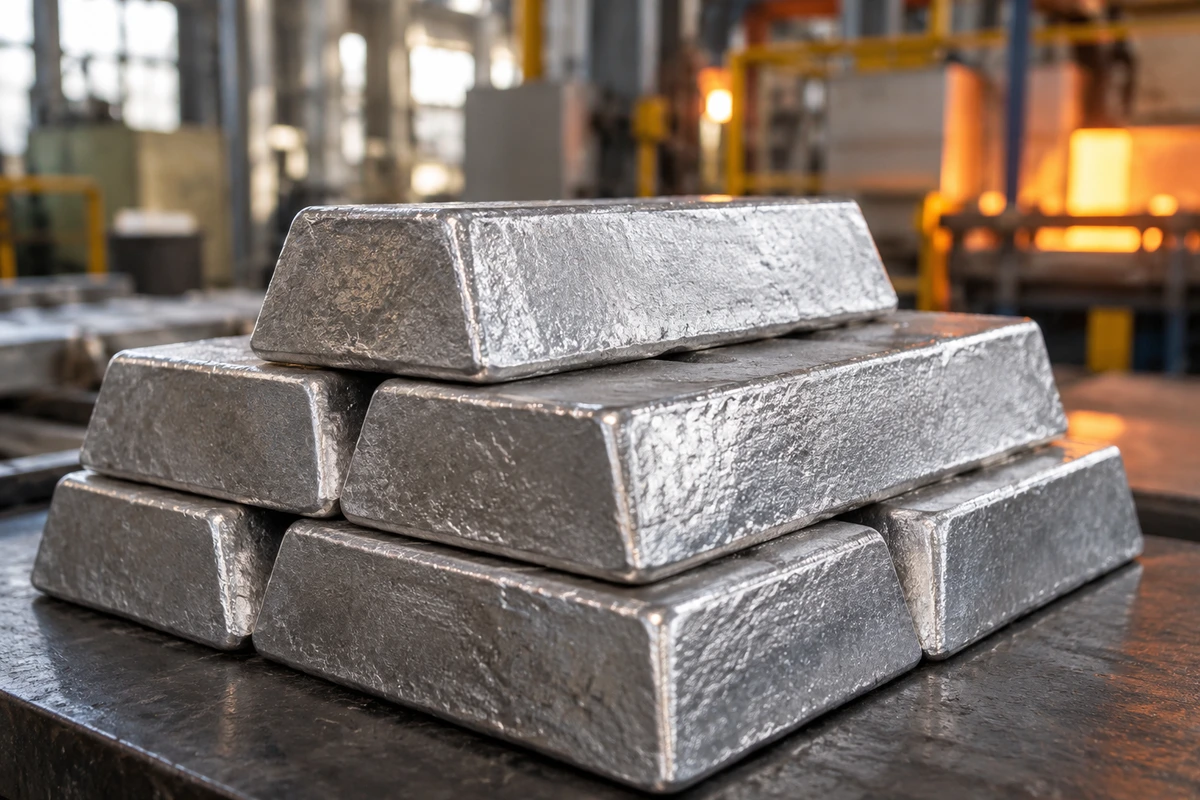
Russia’s Rusolovo plans to start producing tin metal at the Amur Metallurgical Plant in the Khabarovsk Territory in the fourth quarter of 2028, reaching full capacity in 2029. First-phase capital expenditure is estimated at 17.6 billion roubles. Capacity could reach 8,300 tonnes of tin metal annually after the second stage. Tin Ore Company chief executive Igor Korytov said construction began in 2026.
Seligdar’s tin cluster received 7.7 billion roubles of investment over 2018–2026. Rusolovo plans to increase annual ore-processing capacity at Pravourmiysky from 290,000 to 450,000 tonnes and at Solnechny from 370,000 to 600,000 tonnes by 2028. More concentrate production and reprocessing of older tailings would supply the smelter. The project would add metal smelting to the group’s existing mining and enrichment operations. Seligdar owns 85.12% of Rusolovo.
The concentrate-production baseline
In 2025, Seligdar’s tin division produced 3,500 tonnes of tin contained in concentrate, up 42% from 2,466 tonnes in 2024. Those quantities measure the contained tin, rather than the total weight of concentrate. The company’s Jan 23, 2026, operating release also recorded:
- Ore mining of 1.253 million tonnes, compared with 1.071 million tonnes in 2024, an increase of 17%.
- Ore processing, including preliminary ore separation, of 1.218 million tonnes, against 995,000 tonnes, up 22%.
Solnechny supplied more than half of the division’s tin output and increased its own tin-in-concentrate production by 56% year on year. Seligdar attributed higher mining volumes to renewal of underground machinery and the processing increase to stable operation of its preliminary-separation installations across the division. These were operating-accounting results for the existing production complexes, preceding the planned addition of the Amur smelter.

Earlier flotation tests at Solnechny
Rusolovo began testing cassiterite flotation at Solnechny in April 2025. The programme addressed difficult ore from the Geofizicheskaya zone of the Molodezhny mine, where finely disseminated cassiterite and strong rock had constrained recovery. The company put the previous recovery level at 37% and reported 48% in initial tests. Its proposed method used a different reagent regime and ore grinding to a specified particle size.
Rusolovo projected that implementation could raise tin and copper recovery to 85%, and tungsten recovery to 50%. Those figures were development targets, distinct from the initial test result. The company based its assessment on archived Solnechny data, experience with similar ores and selection of a suitable collecting reagent.
Additional feedstock under consideration
Laboratory work at Solnechny also indicated potential to process stored semi-dry cake and older tailings from the Dolgy site. Rusolovo described these materials as possible additions to the processing plant’s feedstock through the flotation method. Their inclusion remained a proposed extension of the processing programme.




















Leave a comment