
SIBUR targets 2027 completion of polypropylene catalyst tests
SIBUR plans to finish pilot tests of a metallocene polypropylene catalyst by 2027, following laboratory work with Moscow State University and trials in Tobolsk.
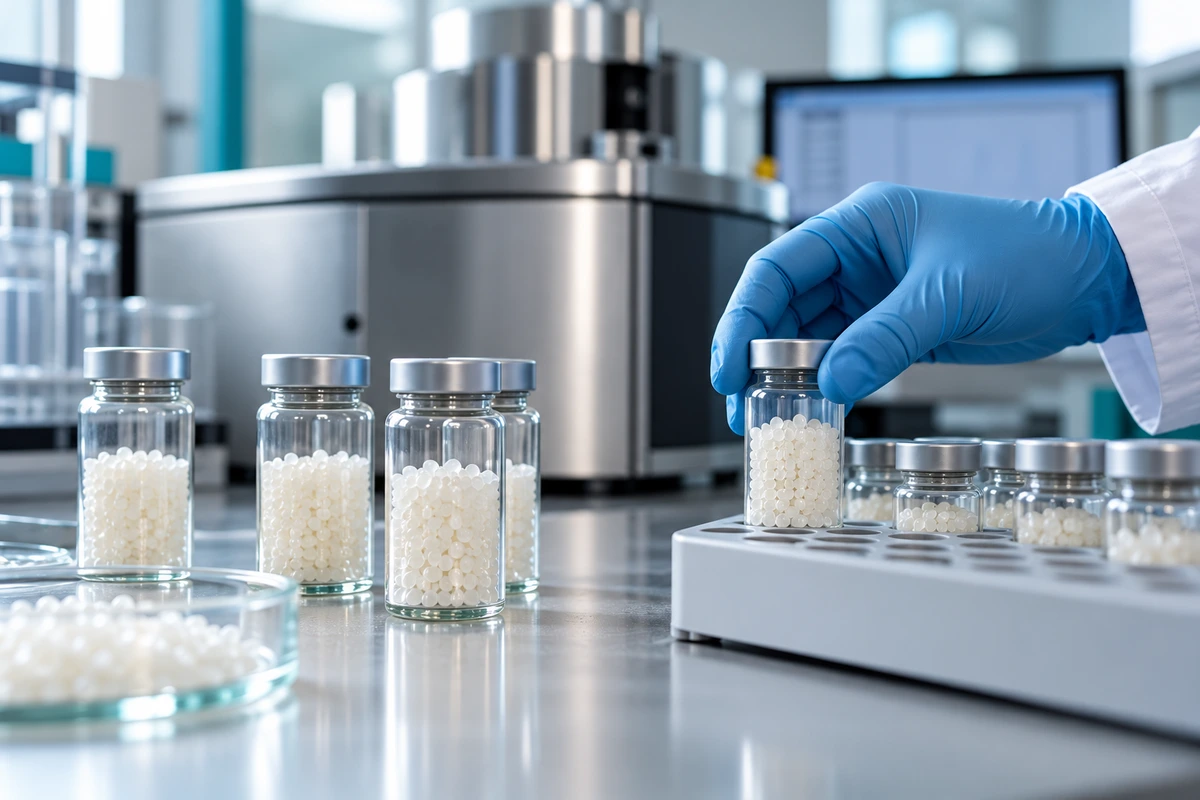
SIBUR plans to complete pilot testing of a metallocene polypropylene catalyst by 2027. SIBUR Innovations and the chemistry department of Lomonosov Moscow State University have jointly developed more than 50 catalyst samples. Laboratory testing at the university will precede trials in Tobolsk.
A decision on commercial implementation at petrochemical plants will follow testing, according to the programme announced on July 7, 2025. The 2027 target concerns completion of tests, rather than a confirmed start of commercial production.

Pilot trials in Tobolsk
SIBUR opened its Technology Pilot Center in Tobolsk on December 6, 2024. The centre combines 12 technologies for producing polyethylene and polypropylene. The company estimated that these cover 90% of the technologies used domestically. Its facilities are intended to test catalysts and new polymer grades between laboratory research and industrial production.
The centre can scale up catalyst developments and work on products, production technologies and engineering solutions. Previously, laboratory developments went directly to industrial facilities, where trials required changes to operating conditions and product transitions. SIBUR designed the separate pilot facilities to carry out those testing cycles without switching the operating modes of its main production plants.

Catalyst manufacturing in Kazan
SIBUR's February 21, 2025 factory plan scheduled construction to begin in the second quarter of 2025. The first chromium-catalyst line was targeted for completion and commissioning in 2027. The plant would stand beside a research centre scheduled to open in 2026. Total planned factory output exceeds 1,000 tonnes of catalysts annually.
Chromium catalysts serve film and blow-moulding polyethylene grades used for products such as containers, bottles and fuel tanks. Beyond the initial chromium line, SIBUR planned five further technological lines:
- two for metallocene catalyst types;
- two for titanium catalyst types;
- one for silica gel, a carrier for catalytic systems.

Polymer properties and testing scope
The university researchers expect metallocene catalysts to enable premium polypropylene grades with improved optical properties, flexibility, impact strength and thermal resistance compared with conventional Ziegler–Natta catalyst production. These are the researchers' stated material benefits.
SIBUR's Tobolsk operating plan envisaged trials of at least five catalysts and approximately ten new polymer grades each year. The centre's wider remit includes chromium, titanium-magnesium and metallocene catalysts developed with scientific partners. Those annual targets cover its overall programme, rather than the single polypropylene development with Moscow State University.





















Leave a comment