
Fonterra and Lactalis: the Mainland sale and retained dairy business
Fonterra’s Mainland sale links brand transfers, farmer votes and capital returns with long-term supply agreements and investment in retained dairy operations.
A buyer for Mainland and the consumer brands
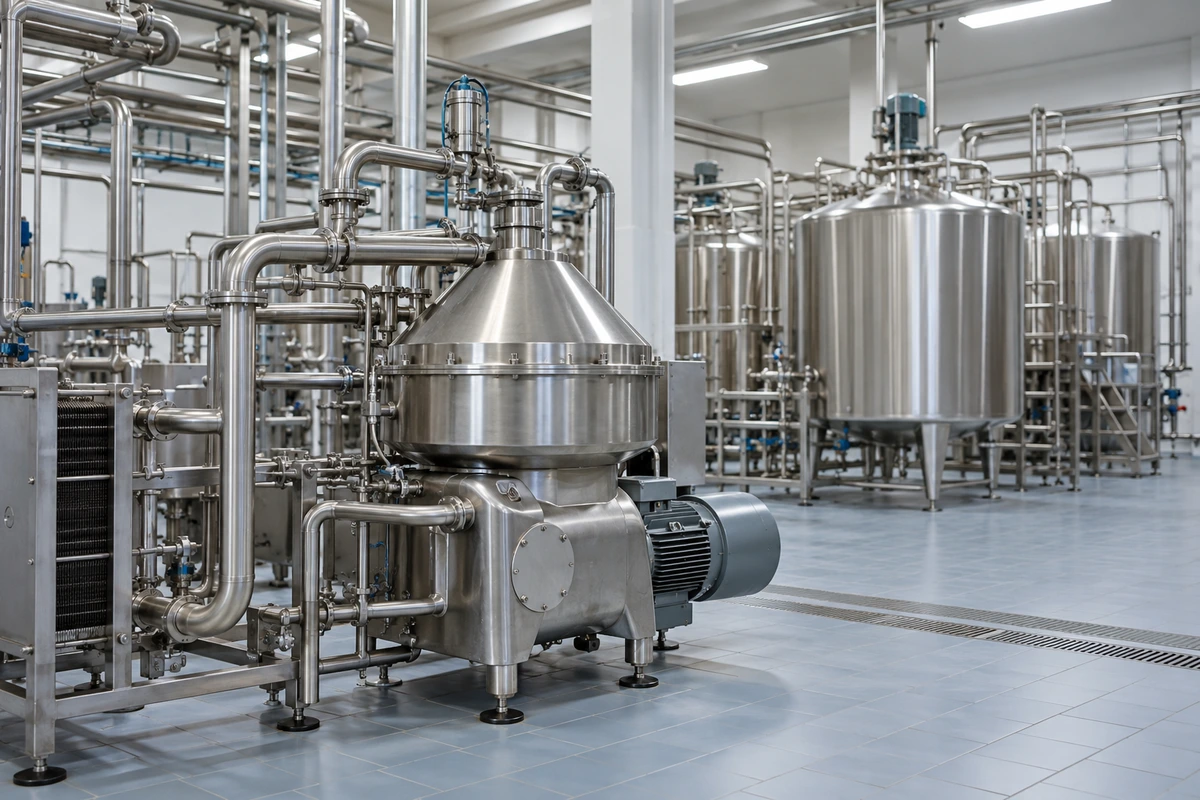
Fonterra agreed to sell its consumer business to Lactalis after pursuing a trade sale alongside a possible stock-market listing. The cooperative in New Zealand selected the privately owned dairy group from France, with brands including Mainland, Anchor, Kāpiti and Anlene involved in the proposed transfer. Chief executive Miles Hurrell said the sale offered better value than the listing alternative after a process lasting about 15 months.
Lactalis chairman Emmanuel Besnier expected the acquired operations to complement his group’s existing presence in Australia and Asia. Fonterra initially expected completion in the first half of 2026, subject to its farmer shareholders and regulatory authorities approving the deal. The agreement announced in August 2025 also provided for a continuing supply relationship between the two dairy businesses.
The price and the businesses included
The initial enterprise value was NZ$3.845 billion. A further NZ$375 million depended on resolving the position of the Bega licences held by Fonterra’s Australian business, creating a potential total of NZ$4.22 billion. Lactalis would acquire shares in Mainland Group Holdings Limited, a holding company incorporated in New Zealand. The original agreement covered several connected operations:
- Global Consumer brands and businesses, excluding Greater China.
- Integrated Foodservice and Ingredients businesses in Oceania and Sri Lanka.
- The Middle East and Africa Foodservice business.
The sale still required regulatory permissions, separation of the businesses and other contractual conditions. Authorities involved included New Zealand’s Overseas Investment Office and Australia’s Foreign Investment Review Board, alongside authorities in Kuwait, New Caledonia and Saudi Arabia. Separate shareholder approvals applied to the disposal and proposed capital return.

How the disposal developed
Fonterra began exploring full or partial divestment on May 16, 2024. At that stage, the options covered some or all of the global Consumer business and the integrated Oceania and Sri Lankan businesses. The operations under consideration used approximately 15% of the cooperative’s total milk solids and represented around 19% of group operating earnings in the first half of FY24. Those percentages described the initial perimeter and reporting period rather than the eventual transaction’s share of later earnings.
Chairman Peter McBride and Hurrell favoured concentrating investment on Ingredients and Foodservice. Management expected a divestment process to take at least 12–18 months and intended to seek shareholder support for a transaction of that scale. Fonterra withdrew the financial targets attached to its earlier 2030 strategy because they included businesses now being considered for sale. It also terminated the on-market share buyback programme that had been expected to run until August 13, 2024. Its sustainability targets and associated investment plans remained unchanged.
On November 11, 2024, Fonterra moved from exploring options to preparing a sale process. It had completed a detailed scoping phase and selected advisers. Both a trade sale and an initial public offering remained under consideration, with management planning to test the terms and value available through each route. Hurrell said the cooperative had received meaningful buyer interest.

The intended final choice still depended on the value available to the cooperative and shareholder approval. Fonterra continued to target a significant return of capital after divestment. The Oceania business then included consumer-brand manufacturing and sales across Australia, New Zealand and export markets in Oceania, Foodservice in Australia and New Zealand, and Ingredients in Australia.
Competition review and the Bega licences
The Australian Competition and Consumer Commission decided on July 10, 2025, not to oppose Lactalis’s proposed acquisition. Its review had begun on May 2. Both companies purchased raw milk in Victoria and Tasmania, but the commission found that alternative processors would continue to constrain the combined purchaser. Its assessment considered Gippsland, the Murray region and western Victoria separately, alongside the more limited overlap in Tasmania.
The ACCC also examined wholesale drinking milk, cream, cheese, chilled yellow spreads and dairy ingredients. It considered the businesses’ different product mixes and farmer profiles, limited switching between the purchasers, competition from other suppliers and imports, and the bargaining strength of major supermarket customers including Coles and Woolworths. These were the regulator’s competition findings on the proposed acquisition. Its July decision preceded Fonterra’s August selection of Lactalis as the buyer and did not mean the sale had already been agreed or completed.
Fonterra and Bega resolved the licence issue on August 26, 2025. Bega agreed that the transaction structure did not constitute a change of control under the relevant licences. The licences could therefore remain within the Australian business being sold to Lactalis. The additional NZ$375 million became payable, taking the enterprise value to NZ$4.22 billion. Fonterra also agreed to pay Bega’s legal costs connected with resolving the matter.
Two shareholder decisions
Farmer shareholders approved the sale at a virtual special meeting on October 30, 2025. Support represented 88.47% of votes cast. Participation was 80.59% on the cooperative’s milk-solids voting basis. These percentages measured different things: support among votes submitted and participation in the available voting entitlement. They were not counts of individual farmers.
The resolution needed more than half of entitled votes actually cast, calculated using share-backed kilograms of milk solids. Although that approval cleared the farmer-vote condition, regulatory approvals and separation work remained outstanding. Fonterra still expected completion in the first half of 2026. The proposed capital return would follow a separate shareholder vote and court-supervised scheme under Part 15 of the Companies Act 1993.

The capital-return vote took place on February 19, 2026. Shareholders supported the proposal with 98.85% of total votes cast. That result allowed Fonterra to seek final court approval for the intended NZ$2-per-share return to shareholders and unit holders. Payment remained conditional on the sale of Mainland Group being completed.
At that meeting, Fonterra expected the transaction to close in the first quarter of calendar 2026, provided the remaining regulatory permissions and business separation proceeded within the expected timetable. The cooperative planned to confirm the payment record date after those steps, placing it within the five business days before payment.
Completion preserved supply ties
Fonterra completed the Mainland Group sale to Lactalis on March 31, 2026. It retained its NZMP ingredients and Anchor Food Professionals businesses, while Lactalis became a major ingredients customer. The consumer-business transfer excluded Greater China, where Fonterra retained the Anchor brand. The closing announcement also identified the integrated Oceania operations, Sri Lankan Foodservice and the Middle East and Africa Foodservice business within the disposal.

Two long-term agreements connected the separated businesses. The Raw Milk Supply Agreement had a minimum term of ten years. The Global Supply Agreement, covering ingredients and other products including bulk cheese, had a minimum term of six years. Both would renew automatically until terminated. Fonterra’s completion announcement scheduled a NZ$3.2 billion capital return, equivalent to NZ$2 per share, payable on April 14, 2026.
How the capital return was processed
NZX’s scheme mechanics involved repurchasing one ordinary Fonterra share for every three held at the record time. Fractional entitlements were rounded to the nearest whole share, with halves rounded up. Fonterra would pay NZ$6 for each share repurchased and cancelled. That amount applied to the repurchased shares, rather than to every share originally held.
A share subdivision restored the number of shares removed through the repurchase: one share not being bought back was subdivided to provide the shareholder with the number repurchased plus one. NZX halted trading in Fonterra securities before the market opened on April 8 and scheduled resumption for April 13. The halt allowed the exchange to process these corporate actions. The payment was expected within five business days of the April 9 record date, with April 14 specified as the expected payment date.

Cash proceeds and the accounting gain
Fonterra’s FY26 financial statements subsequently confirmed receipt of NZ$4.457 billion in cash on March 31. An estimated NZ$160 million post-completion adjustment receivable brought total proceeds to NZ$4.617 billion. The receivable remained subject to Lactalis’s review of the completion statement. These figures described settlement accounting, a different basis from the NZ$4.22 billion enterprise value announced after the Bega resolution.
The accounting allocated NZ$147 million of proceeds to Fonterra’s obligation to develop and deliver a replicated, standalone information-technology system for operational separation. Proceeds attributed to the divestment were NZ$4.47 billion. After disposed net assets, transaction costs, intercompany balances and foreign-currency reserve reclassification, the non-taxable gain was NZ$1.25 billion, recognised in discontinued operations. The statements confirmed that the NZ$3.2 billion capital return was paid on April 14, 2026. The gain and the shareholder payment were separate amounts.
The operating business before completion
Fonterra’s FY25 interim results included operating profit of NZ$1.107 billion and profit after tax of NZ$729 million. Earnings were 44 cents per share, with a fully imputed interim dividend of 22 cents. Ingredients operating profit reached NZ$696 million even as sales volume fell 3.9%; management attributed the improvement to margins and product mix. Foodservice volumes grew 8.3%, while operating profit was NZ$230 million compared with NZ$342 million in the previous interim period.

Consumer volumes rose 8.5%, with operating profit broadly unchanged at NZ$173 million despite the higher Farmgate Milk Price. The cooperative was also replacing its enterprise-resource-planning software. Management expected the six-year IT and digital programme to cost NZ$450–500 million, with annual spending reaching its peak of NZ$130 million in FY25. That planned expenditure was included in the earnings forecast rather than presented as a separate addition to it.
For FY25 as a whole, Fonterra generated NZ$26 billion in revenue, up 15%, and NZ$1.732 billion in operating profit, up 13%. Profit after tax fell 4% to NZ$1.079 billion. The cooperative elected not to deduct farmer distributions from taxable income and instead attached imputation credits. Adjusted for the tax change, profit after tax increased 13%. Reported earnings were 65 cents per share; normalised earnings excluding consumer-divestment costs were 71 cents.
The final 2024/25 Farmgate Milk Price was NZ$10.16 per kilogram of milk solids. Collections totalled 1,509 million kilograms of milk solids, 2.6% higher than the previous season, and milk payments to farmers reached NZ$15.3 billion. The full-year dividend was 57 cents per share, comprising the 22-cent interim and 35-cent final payments. Fonterra also planned up to NZ$1 billion of investment over three to four years in manufacturing, digital systems and operating efficiency.
Capacity for the retained dairy channels
The retained Ingredients business had a planned protein investment at Studholme in the South Island. Fonterra announced around NZ$75 million for the site on August 28, 2024, with construction works due to begin the following month and first product expected in 2026. The project targeted functional dairy proteins for applications including medical and high-protein sports nutrition. Those applications described the intended markets, rather than evidence of particular health outcomes.
Richard Allen, then president of Global Markets Ingredients, said the team had reviewed the worldwide manufacturing network before selecting Studholme. The site’s size, relatively recent construction and allowance for future expansion formed part of that choice. Fonterra had acquired the operation in 2012 and intended it to continue supporting South Island milk processing. The expansion was expected to create six roles, with Canterbury contractors participating in construction, and support a coal-free alternative for the existing boiler.
On September 3, 2024, Fonterra announced a NZ$150 million UHT cream plant at Edendale in Southland. The investment served the Foodservice business, including demand from Asian markets where dairy ingredients were being incorporated into products such as laksa and milk tea. Hurrell announced the project during a senior New Zealand business delegation’s visit to Malaysia.
The planned plant would initially provide more than 50 million litres of UHT processing capacity, with potential to exceed 100 million litres by 2030. Fonterra expected 70 additional jobs and further employment during construction. Chief operating officer Anna Palairet identified the regional cream supply and decarbonisation work as features supporting expansion at Edendale. Construction was scheduled to start in early 2025, and the original announcement expected first product in August 2026. These dates and capacity figures were the project’s announced plans.
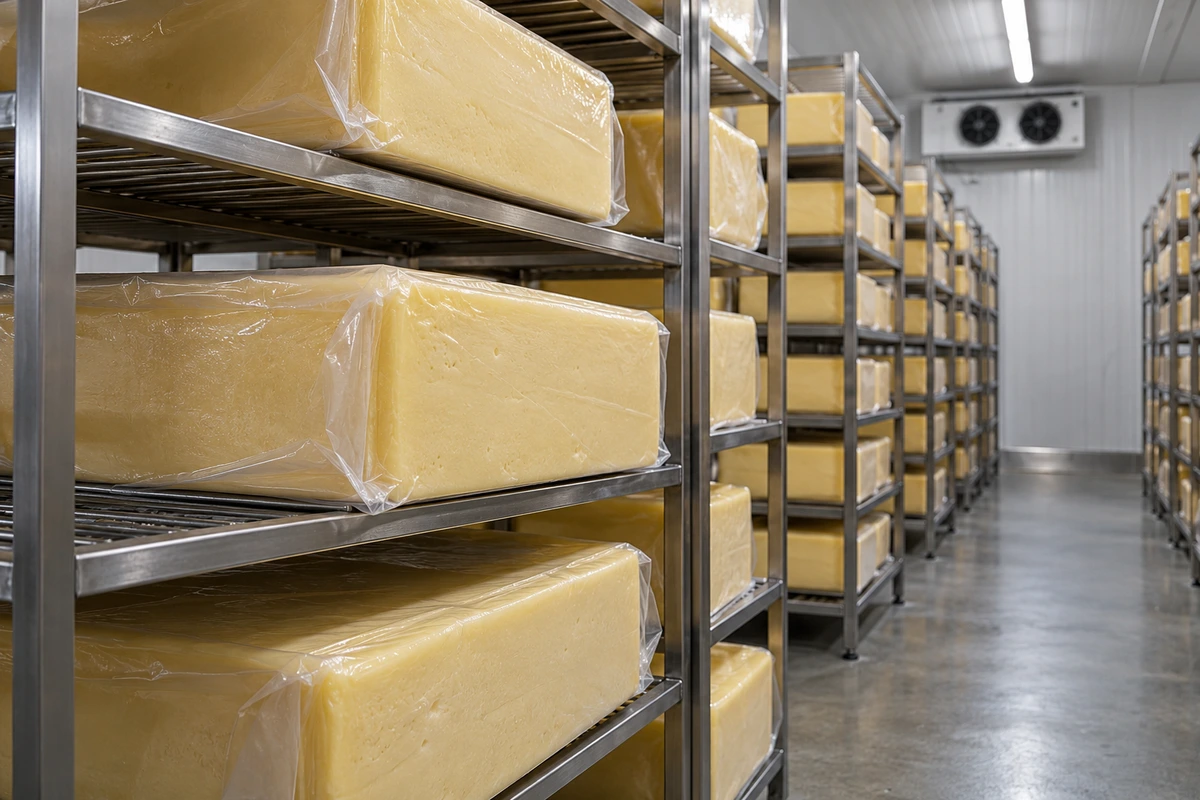
Fonterra added a NZ$75 million butter expansion at Clandeboye on October 22, 2025. A new line was designed to add up to 50,000 tonnes of annual butter capacity and produce formats for global ingredients customers and professional kitchens. The planned range included lactic butter and unsalted butter sold through NZMP and Anchor Food Professionals. The plant was intended to meet different market requirements, including Halal and Kosher certification requirements.
The cooperative expected 16 new jobs. It scheduled construction to begin in December 2025, commissioning for early 2027 and first product for April 2027. Separately, a NZ$64 million conversion of two Clandeboye coal boilers to wood pellets had been completed in August 2025. The butter line, Studholme proteins and Edendale cream projects belonged to the manufacturing programme serving Fonterra’s retained Ingredients and Foodservice channels, with their individual construction and production timetables.




















Leave a comment